Faith & Spiritual Growth
How to Read the Bible for Beginners: 7 Simple Steps
By Norwalk Seventh-day Adventist Church · · 6 min read
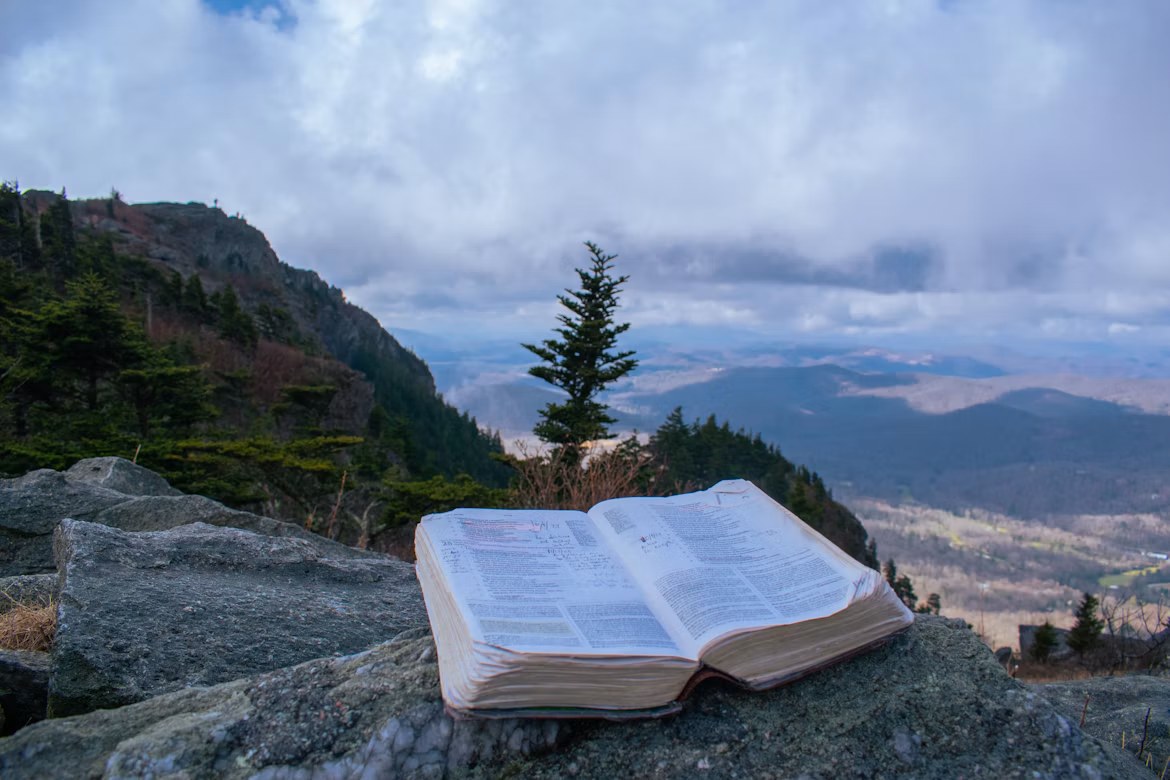
Have you ever opened the Bible, stared at the pages, and wondered where to begin? You're not alone. With 66 books, different writing styles, and thousands of years of history, reading the Bible can feel overwhelming. But understanding Scripture doesn't have to be complicated.
Whether you're exploring Christianity for the first time, returning to your faith, or hoping to develop a stronger relationship with God, this beginner-friendly guide will help you take your first steps with confidence.
Why Is Reading the Bible Important?
The Bible is more than a collection of ancient stories. Christians believe it is the inspired Word of God, offering guidance, wisdom, encouragement, and a deeper understanding of His character.
In 2 Timothy 3:16-17, the apostle Paul explains that Scripture is useful for teaching, correction, and instruction in righteousness.
Reading the Bible helps us understand who Jesus is, why His life matters, and how His teachings can shape our relationships, decisions, and everyday experiences.
You don't need a theology degree or years of church experience to begin. All you need is a willingness to learn and an open heart.
1. Start With the Gospels, Not Genesis
One of the most common mistakes beginners make is assuming they must read the Bible from the very first page to the last.
While Genesis is an important book, the Bible isn't organized like a traditional novel. It contains history, poetry, prophecy, letters, wisdom literature, and accounts of Jesus' life.
For beginners, a helpful starting point is the New Testament, particularly the four Gospels:
- Matthew: Explores Jesus' teachings and His identity as the promised Messiah.
- Mark: A fast-paced introduction to Jesus' ministry, miracles, death, and resurrection.
- Luke: Highlights Jesus' compassion for people from many different backgrounds.
- John: Focuses on who Jesus is and what it means to believe in Him.
If you're unsure which one to choose, try starting with Mark. Its straightforward storytelling makes it an approachable introduction to Jesus' life.
As you read, ask yourself: What does this passage teach me about Jesus?
2. Choose a Bible Translation You Can Understand
If you've ever struggled to understand the language in the Bible, the translation you're using may be part of the challenge.
The Bible was originally written primarily in Hebrew, Aramaic, and Greek. Today, readers can choose from numerous English translations.
Some translations prioritize staying close to the wording and structure of the original languages. Others emphasize communicating the meaning in natural, contemporary English.
Beginner-friendly options include:
- New International Version (NIV): Uses accessible modern English.
- New Living Translation (NLT): Emphasizes readability and clear expression.
- English Standard Version (ESV): Uses a more word-for-word translation approach while remaining relatively accessible.
No single translation is perfect. Comparing translations can help you understand difficult passages more clearly.
The goal isn't to choose the most complicated version. It's to choose a reliable translation that encourages you to keep reading.
3. Begin With Just 10 Minutes a Day
You don't need to read five chapters every morning to develop a meaningful Bible study habit.
In fact, trying to read too much too quickly can leave you feeling discouraged.
Instead, start with a manageable routine:
- Find a quiet place where you can concentrate.
- Set aside approximately 10 minutes.
- Read one short passage or chapter.
- Reflect on what you've learned.
- Write down one question or takeaway.
Some days you may read an entire chapter. Other days, a few verses may give you plenty to think about.
Consistency matters more than the number of pages you finish.
Remember, Bible study isn't a race. It's an opportunity to build a deeper relationship with God.
4. Ask Three Questions as You Read
Reading the words is only the beginning. Understanding what they mean requires reflection.
One simple approach is to ask three questions:
What Does the Passage Say?
Start by identifying what is actually happening in the text.
Who is speaking? Who is listening? What events are taking place?
What Does the Passage Mean?
Consider the historical setting, the intended audience, and the verses surrounding the passage.
Try not to build an entire belief around one sentence taken out of context.
How Can I Apply This to My Life?
Think about how the passage might influence your attitudes, relationships, choices, or understanding of God.
For example, when reading the parable of the Good Samaritan in Luke 10:25-37, you might ask:
- What happened between the Samaritan and the injured man?
- What was Jesus teaching about loving our neighbors?
- How can I show compassion to someone this week?
These questions help turn Bible reading into meaningful reflection rather than simply completing a task.
5. Pray Before and After Reading
Prayer and Bible study work together.
Before opening Scripture, take a moment to ask God for wisdom, understanding, and a willingness to learn.
Your prayer doesn't need to be elaborate.
"Lᴏʀᴅ, help me understand Your Word today. Teach me something about Your character, and show me how to apply what I learn."
After reading, consider praying about what stood out to you.
James 1:5 encourages believers to ask God for wisdom.
And if you don't understand everything immediately, that's okay. Spiritual growth is a lifelong journey.
6. Don't Be Afraid to Ask Questions
What happens when you encounter a confusing passage, an unfamiliar name, or something that seems difficult to reconcile with what you've learned?
Ask questions.
Curiosity is not the enemy of faith. Thoughtful questions can encourage deeper study and help us develop a more informed understanding of Scripture.
You might wonder:
- Why does God allow suffering?
- What does the Bible teach about forgiveness?
- Why do Christians worship on different days?
- How do I know whether I'm interpreting a passage correctly?
- What does it really mean to follow Jesus?
These are meaningful questions worth exploring.
Consider writing them in a journal and discussing them with a pastor, trusted Christian mentor, or Bible study group.
At Norwalk Seventh-day Adventist Church, we welcome people who are exploring Scripture for the first time.
Explore our Bible study opportunities in Norwalk, California.
7. Study the Bible With Other People
Personal Bible study is valuable, but learning alongside others can provide encouragement, accountability, and fresh perspectives.
A Bible study group gives you opportunities to ask questions, hear different insights, and explore Scripture in a welcoming environment.
You don't have to know every Bible story or understand Christian terminology before attending.
Sometimes, the most meaningful conversations begin with someone saying, "I've always wondered what this verse means."
If you're in Norwalk, California, or the surrounding area, you're invited to join us.
Free Bible Study Opportunities in Norwalk, CA
Norwalk Seventh-day Adventist Church offers weekly opportunities to explore Scripture together.
- Wednesday Bible Study: Wednesdays at 7:00 PM, Our Daily Bread, 12201 Firestone Blvd, Norwalk, CA.
- Saturday Adult Bible Study: Saturdays at 9:30 AM, Halsburg Chapel, 12191 Firestone Blvd, Norwalk, CA.
Whether you're new to the Bible or have studied it for years, you're welcome to participate.
A Simple 7-Day Bible Reading Plan for Beginners
Ready to begin? Here's a seven-day reading plan designed to introduce you to important biblical themes without overwhelming you.
- Day 1 — Mark 1: Meet Jesus and discover how His ministry began.
- Day 2 — Mark 2: Learn about Jesus' compassion, forgiveness, and authority.
- Day 3 — Luke 15: Explore three powerful stories about being lost and found.
- Day 4 — Psalm 23: Reflect on God's care, guidance, and presence during difficult times.
- Day 5 — John 3: Discover Jesus' conversation with Nicodemus about spiritual rebirth.
- Day 6 — Matthew 6:25-34: Read what Jesus taught about worry and trusting God.
- Day 7 — John 15:1-11: Reflect on what it means to remain connected to Jesus.
After each reading, write down one thing you learned and one question you still have.
If you miss a day, simply continue where you left off. There's no need to start over.
Frequently Asked Questions About Reading the Bible
Where should a beginner start reading the Bible?
The Gospel of Mark is a helpful starting point because it offers a relatively concise introduction to Jesus' life and ministry. The Gospel of John is another excellent option for exploring who Jesus is.
How much of the Bible should I read every day?
Start with a realistic goal, such as 10 minutes or one short passage each day. Focus on understanding what you read rather than finishing a certain number of chapters.
Do I need to attend church to understand the Bible?
You can begin reading the Bible independently. However, studying with others can help you explore difficult passages, ask questions, and develop a deeper understanding of Scripture.
What if I don't understand what I'm reading?
Try reading the surrounding verses, comparing translations, and learning about the historical context. Write down your questions and seek guidance from reliable study resources or knowledgeable Christians.
Can I study the Bible if I'm not a Christian?
Of course. You don't need to identify as a Christian to explore the Bible, learn about Jesus, or participate in a welcoming Bible study discussion.
Your Journey With the Bible Can Start Today
Learning to read the Bible is not about becoming an expert overnight.
It's about taking small, meaningful steps toward understanding Gᴏᴅ's Word and discovering what it teaches about faith, hope, love, and everyday life.
You will have questions. Some passages will challenge you. Others may bring comfort at exactly the moment you need it.
Give yourself permission to learn at your own pace.
And remember, you don't have to figure everything out alone.
Tags
Keep Reading
Faith & Prayer
Why Does God Feel Silent When You Pray?
You pray. You wait. You believe. But nothing seems to change. If you've ever wondered why God feels silent, you're not alone.
From the Pulpit
A Different Declaration
This Sabbath we stand at the intersection of two great declarations — one written by the founders of a nation, and one written by the Savior of the world. A Communion Sabbath preview from Pastor Peter Luke Baptiste.